Story2026/06/18
Coordinated basic care: From pilot projects to system solutions
Collaboration between different healthcare providers is already being tested in numerous pilot projects. One recent example is the Baselland supply model, which also involves participation from pharmacies in the Galenica network. The task going forward is to develop these approaches systematically and translate them into sustainable, broad-based system solutions. Daniele Madonna, Chief Pharmacies Category Management & Health Services, called for this step at this year’s Healthcare Professionals Initiative on 5 June 2026.
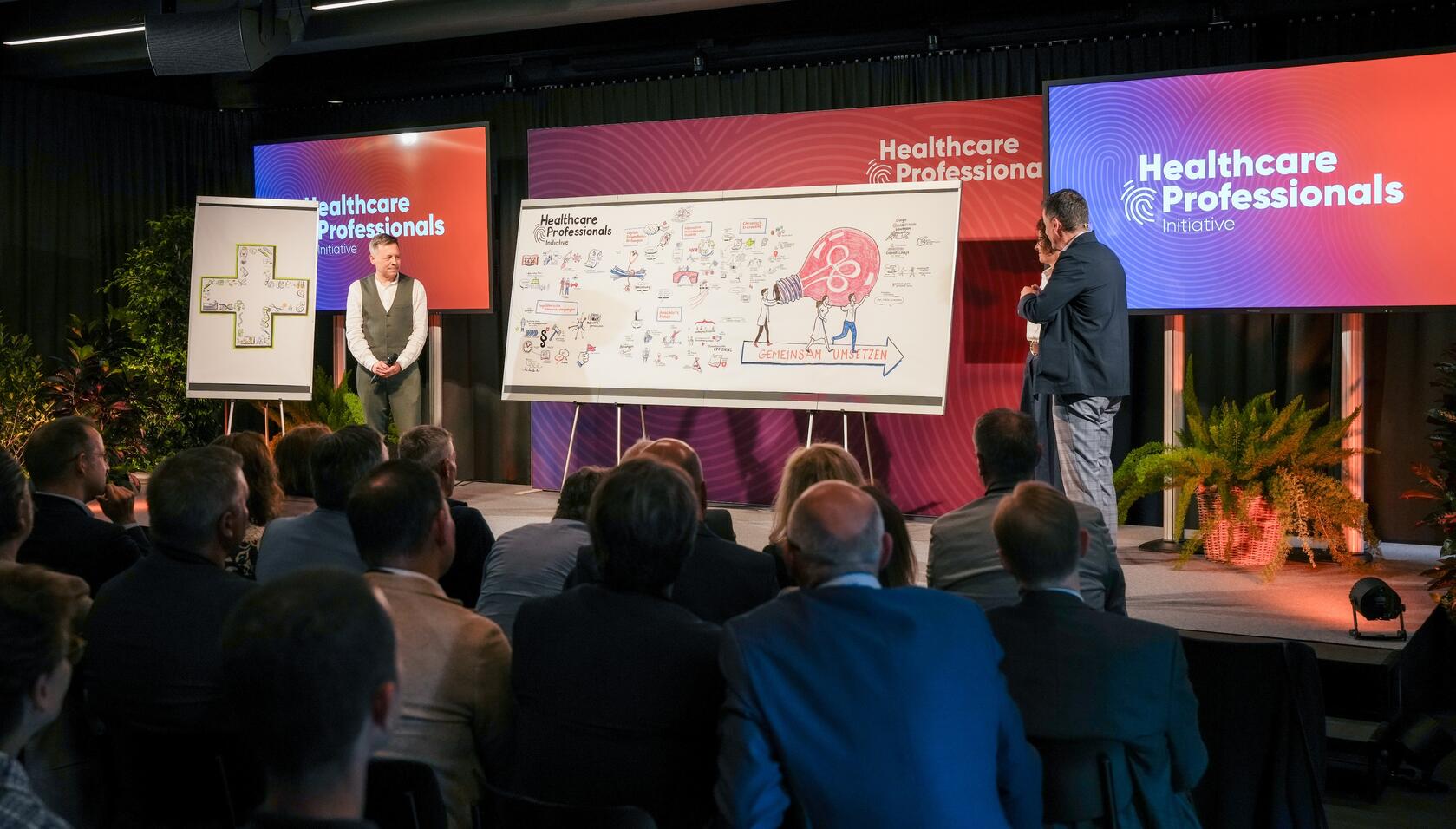
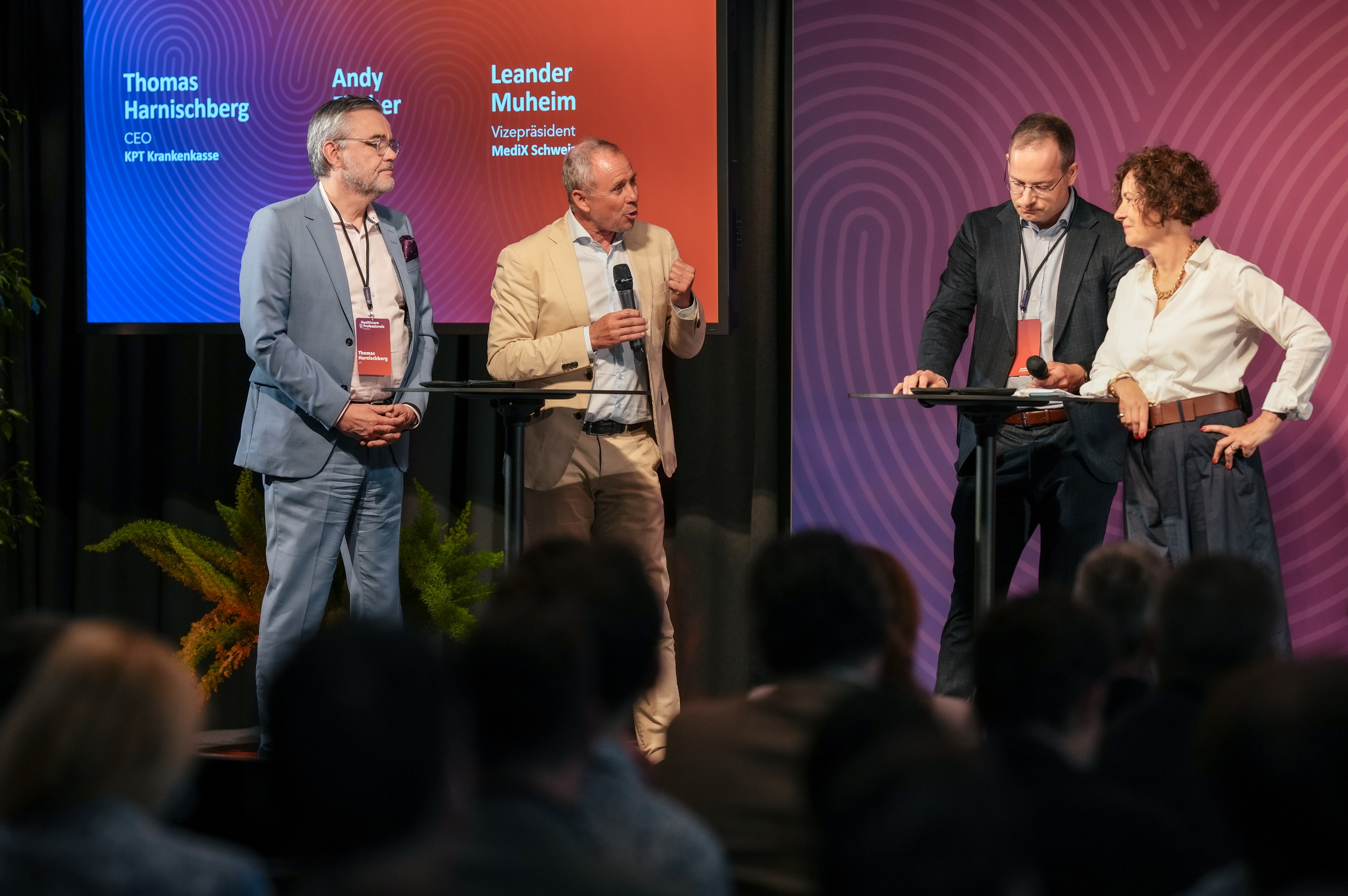
How can healthcare systems be designed to significantly relievepatients while increasing overall system efficiency? This question was the focus of the industry event organised by Galenica. Around 120 representatives from all key areas of the Swiss healthcare system attended – including CEOs of health insurers and digital health companies, presidents of associations, the Deputy Director of the Federal Office of Public Health, as well as cantonal health directors. This was the third edition of the event, whose aim is to improve interprofessional collaboration in basic care, following previous editions in 2023 and 2024.
A vision grounded in real-world practice – and a realistic ambition
A chronically ill person goes to the pharmacy for a blood test and is informed of the results immediately after the analysis has been completed – in coordination with their doctor. If necessary, the patient is referred back directly and specifically to their doctor.
The value here is clear: stronger guidance and fewer detours for the patient. At the same time, this system would significantly reduce the burden on basic care. However, this scenario remains far from practical implementation in many places.
This is exactly where Madonna draws a connection between the two healthcare professionals’ initiatives carried out previously, which have led to the first successful pilot projects. “Good concepts rarely fail because they lack value. They fail because of a lack of coordination, fragmented responsibilities and uneven, disjointed regulatory frameworks, which prevent solutions from being systematically implemented and made widely available.”
The opportunity: making coordination the catalyst
This year’s Healthcare Professionals Initiative 2026 was held precisely with this objective in mind. The mechanisms for change are in place – in the hands of businesses and organisations whose representatives were invited to the event. The speakers and panellists agreed on the following – coordinated basic care requires:

- Collaboration instead of silos and duplication of efforts: stronger basic care can be achieved through a cross-disciplinary approach, across pharmacies, doctors, insurers, digital providers and politicians.
- Standardisation instead of individual solutions: Scaling requires clearly defined roles, standardised data flows and services that can be integrated into reimbursement schemes.
- Less bureaucracy, more impact: not new models at any price, but a pragmatic development of existing options, with a clear focus on added value for customers and patients.
Coordinated care is possible where structure, regulation and implementation are jointly considered and aligned.
Galenica at the forefront
In his closing address, Marc Werner, CEO of Galenica, emphasised the commitment of Galenica and its entire network to coordinated care. He then invited the businesses and organisations in attendance to get involved. “We will push forward with this initiative and make an even greater effort to channel our energy and resources into bringing about coordinated basic care. We look forward to welcoming more partners to join us on this journey.”
Participants responded to this call: their signatures symbolise a shared commitment not only to finding solutions, but also to actively driving their implementation.
As a result, interprofessional collaboration has taken a step forward. However, Werner also stressed: “Implementation does not take place at events like this one. It happens afterwards, in the period between this gathering and the next.”
In other words, the task now is to tackle the upcoming challenges head on and lay the foundation for sustainable system solutions in coordinated basic care that put the needs of customers and patients first.
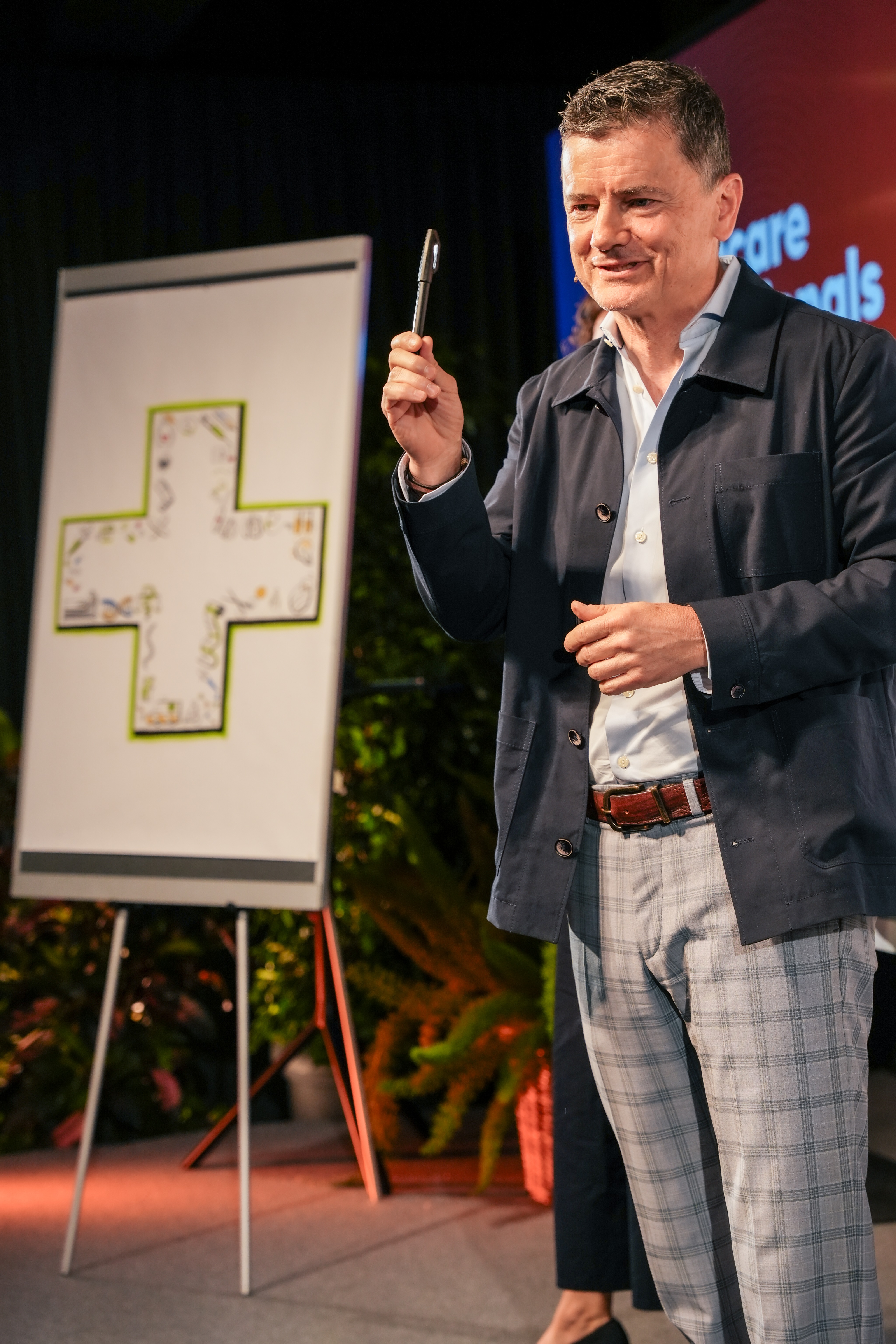


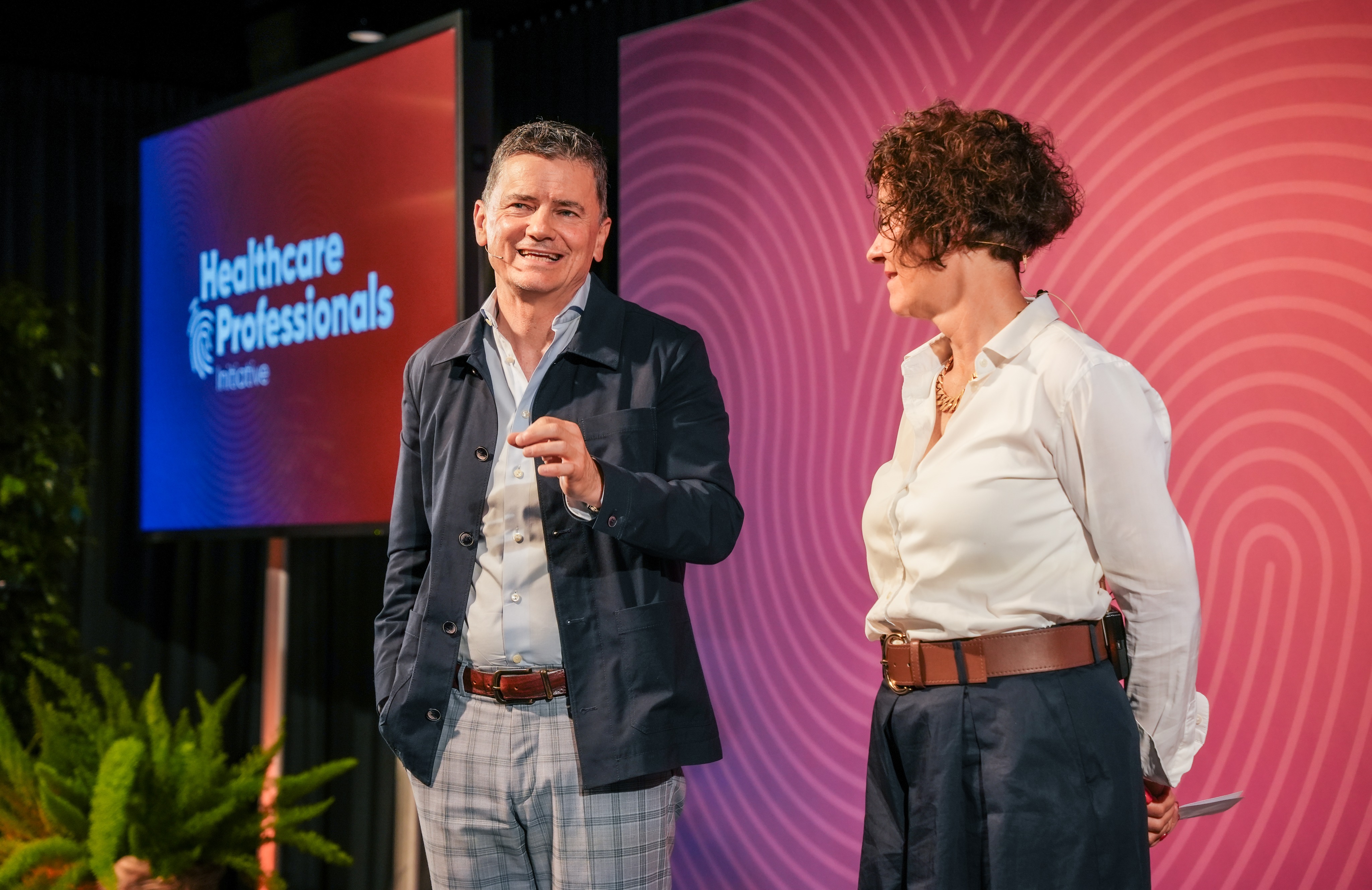
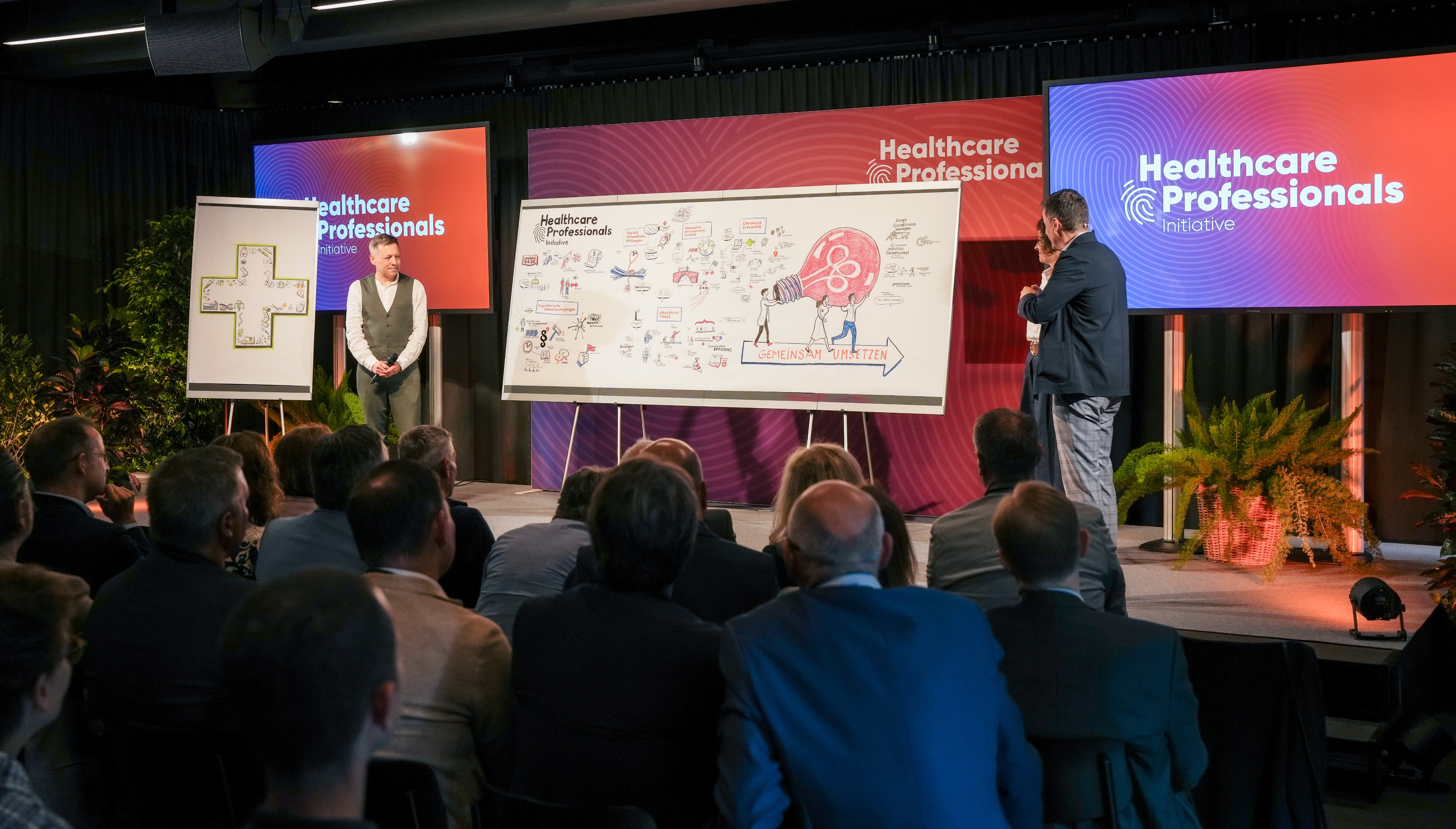
Daniele Madonna, Chief Pharmacies Healthcare & Category Management, in conversation:
Daniele, you say that pharmacies can do more and are becoming the first point of contact in the healthcare system. What turning points have led to this new positioning?
Three factors have played a key role: regulation, our own commitment and partnerships.
The revision of the Federal Act on Medicinal Products and Medical Devices in 2019 significantly expanded the scope of pharmacies’ responsibilities, for example in areas such as dispensing medicines and vaccinations. Further steps followed as part of Cost containment package 2.
At the same time, Galenica has developed a “Consultation plus” concept, which focuses on the advisory expertise of pharmacies. This is further supported by a new pharmacy concept along with specific training and professional development for our specialist staff.
Partnerships are becoming increasingly important: Collaboration with health insurers and standardised services reinforce the pharmacy’s role as a point of entry into the healthcare system.

"Pharmacies have a high level of professional expertise and can take on more responsibility."
Which experience was most relevant in convincing you that pharmacies must take on more responsibility when it comes to basic care?
The COVID pandemic was a defining moment. It showed just how much the public relies on and values pharmacies – for advice, vaccinations and guidance.
My conclusion is that pharmacies have a high level of professional expertise and can take on more responsibility – whether in initial assessments, providing support for treatment or, in the era of AI, interpreting diagnoses generated by artificial intelligence.
As a member of the Executive Committee, how do you stay in close contact with customers?
I am and always will be a pharmacist at heart. To maintain my connection with customers, I regularly visit our pharmacies and speak to the teams.
I also serve on expert committees, such as pharmaSuisse, to stay abreast of developments in the industry.
You might also be interested in this

Five football pitches full of medication – and one system for emergencies
Millions of packs of medicines are stored in Burgdorf. Some of them are intended for the moment when the market can no longer guarantee supply. How this compulsory stock works and is drawn upon, why it is far from being a dusty emergency reserve, and what role the Galenica network company Alloga plays in supplying Switzerland.
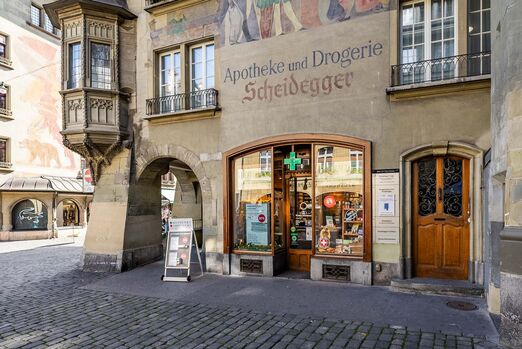
A new gem joins the network: Galenica acquires Bären Apotheke am Zytglogge
The long-established Bären Apotheke am Zytglogge has been part of Bern’s cityscape for generations. Since 1 September 2026, it has been part of the Galenica network and continues to operate under the name “Bären Vita Zytglogge” with a new concept. This preserves a piece of Bern’s history while opening up new prospects for its future.

Creating New Spaces in Harmony with Our Culture
The world of work is constantly evolving, and Galenica is evolving with it. As part of our transformation, we are actively shaping the future. This is reflected not only in the way we collaborate, but also in the environments in which we work.


Sun Store Renens: First pharmacy in Western Switzerland to introduce the new concept
With the redesigned Sun Store pharmacy in Renens (VD), the first pharmacy in Western Switzerland is opening with a completely new concept. It places a strong focus on personalised advice, healthcare services and the overall customer experience. The aim is to further improve people’s access to low-threshold primary care services.